untitled design (25)

Presto Connect

While other companies in the industry have lost interest in accessories our range grows every day.

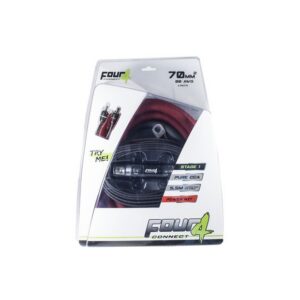
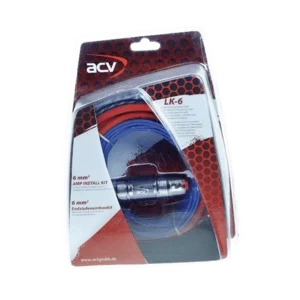
Amplifier Wiring Kits

Prices shown exclude VAT. VAT will be added for UK customers at checkout.

Understanding OFC vs CCA: A Comprehensive ComparisonWhen it comes to electrical wiring and cabling, two acronyms often come up: OFC and CCA. Both are popular choices for various applications, but they have distinct characteristics that make them suitable for different needs. In this blog post, we’ll dive deep into what OFC and CCA stand for, their differences, advantages, disadvantages, and where each one is best used.What is OFC?OFC stands for Oxygen-Free Copper. It is a type of copper that has been refined to reduce the oxygen content to very low levels, typically less than 0.001%. This process enhances the conductivity, durability, and corrosion resistance of the copper.Key Features of OFC High conductivity: Oxygen-free copper provides superior electrical conductivity, which means less signal loss.Durability: OFC cables are more resistant to corrosion and oxidation.Purity: The copper is highly pure, ensuring consistent performance.Common Uses: OFC cables are widely used in high-end audio equipment, professional sound systems, and sensitive electronic devices where signal clarity is crucial.What is CCA?CCA stands for Copper-Clad Aluminum. This is a composite wire made by coating an aluminum core with a thin layer of copper. The idea is to combine the lightweight and cost-effectiveness of aluminum with the conductivity of copper.Key Features of CCACost-effective: CCA cables are cheaper to produce than pure copper cables.Lighter weight: Aluminum core makes them lighter compared to pure copper cables.Lower conductivity: Aluminum has lower conductivity than copper, so even though it is copper-coated, the overall conductivity is less than OFC.Common Uses: CCA cables are often used in budget-friendly applications such as basic household wiring, entry-level audio cables, and some general-purpose electrical uses.OFC vs CCA: Key DifferencesFeatureOFC (Oxygen-Free Copper)CCA (Copper-Clad Aluminum)MaterialPure copper with low oxygenAluminum core with copper coatingConductivityHighLower than OFCDurabilityHigh resistance to corrosionLess durable, prone to oxidationWeightHeavierLighterCostMore expensiveBudget-friendlySignal QualitySuperiorInferior to OFCWhich One Should You Choose?The choice between OFC and CCA depends largely on your application and budget:Choose OFC if: You need the best performance, especially for audio or sensitive electronics where signal integrity is paramount. The higher cost is justified by better conductivity and durability.Choose CCA if: You are working within budget constraints and the application does not require high conductivity or durability. For simple wiring or less critical audio needs, CCA can be a practical alternative.ConclusionBoth OFC and CCA have their place in the world of electrical wiring and cabling. Understanding the differences helps you make an informed decision tailored to your needs. While OFC offers superior performance and longevity, CCA provides a more economical option suitable for less demanding applications. Always consider the specific requirements of your project before making a choice.Feel free to reach out if you have any questions or need advice on which cable type is best for your particular use cas​

Shopping Basket